


Designing a Solution
Using a combination of high-pressure water jetting, specialist internal milling equipment and robotic cutting technology, our team was able to remove the extensive root intrusion and prepare the existing pipework for rehabilitation.
Rather than excavating and replacing the entire underground drain, we installed a cured-in-place drain reline using a two-part epoxy resin system, effectively creating a new, structurally rehabilitated pipe within the existing drainage network.
We also redesigned sections of the internal stormwater system, installing new suspended PVC drainage beneath the dwelling to bypass sections of underground pipework that were beyond practical rehabilitation.
- New 90mm PVC drainage system, suspended from the sub-floor
- A new 100mm PVC underground stormwater drainage line, running from the house and connecting to the existing stormwater drainage network.
- Eight metres of cured-in-place pipe relining to rehabilitate drainage leading to the kerb and channel
The Result
The result was a comprehensively rehabilitated and upgraded stormwater system, with confirmed discharge to the street.
Traditionally, a project of this nature could have involved extensive excavation, demolition of concrete pathways, disruption to established landscaping and potentially works within the council nature strip and footpath.
That can mean council permits, traffic management, concrete reinstatement, landscaping and significant additional costs beyond the plumbing works themselves.
Through strategic planning and specialist relining technology, we avoided much of that disruption and were able to commence and complete the proposed rehabilitation works the following day, just ahead of a weekend of forecast heavy rainfall.
This is where specialist drainage knowledge and the right equipment make an enormous difference.
At W.L. Chivers Plumbing, we specialise in stormwater investigation, rehabilitation, redesign and trenchless drain relining throughout Melbourne’s northern and eastern suburbs.
Our dedicated relining division is equipped to tackle complex drainage problems that would traditionally require extensive excavation.
Drain relining isn’t necessarily the cheapest option when comparing the initial plumbing quotation alone. However, when you consider the cost of excavation, concrete replacement, landscaping, property damage and the disruption involved, it can represent exceptional long-term value.
Before committing to major excavation or replacement of underground stormwater infrastructure, it’s worth having W.L. Chivers Plumbing assess whether a smarter, less destructive solution is possible.
Our philosophy is simple: Diagnose accurately, repair strategically and preserve the property wherever possible.
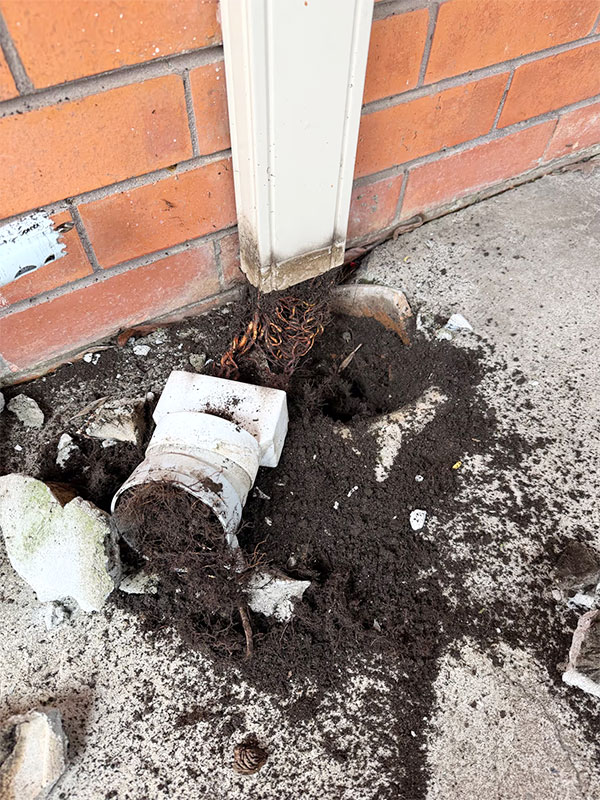
Severly blocked drains
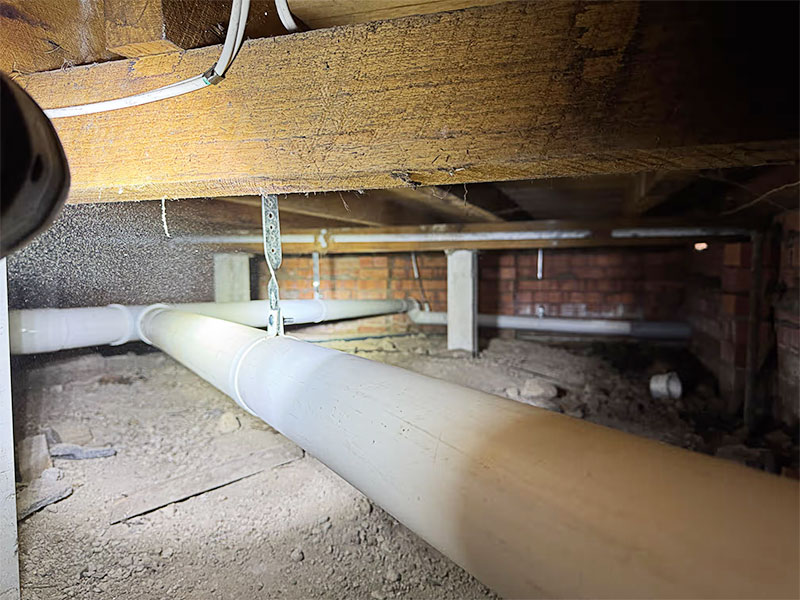
Under-floor, suspended drainage system
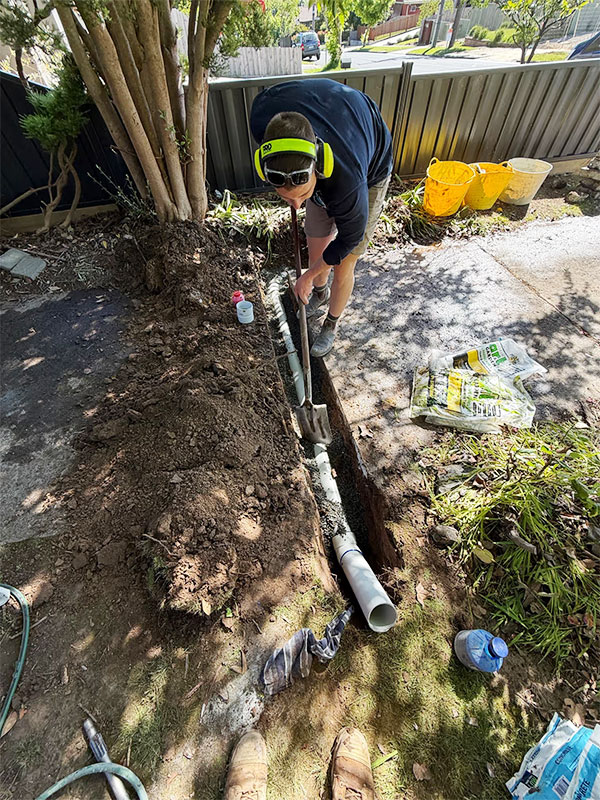
New 100mm PVC pipe installation
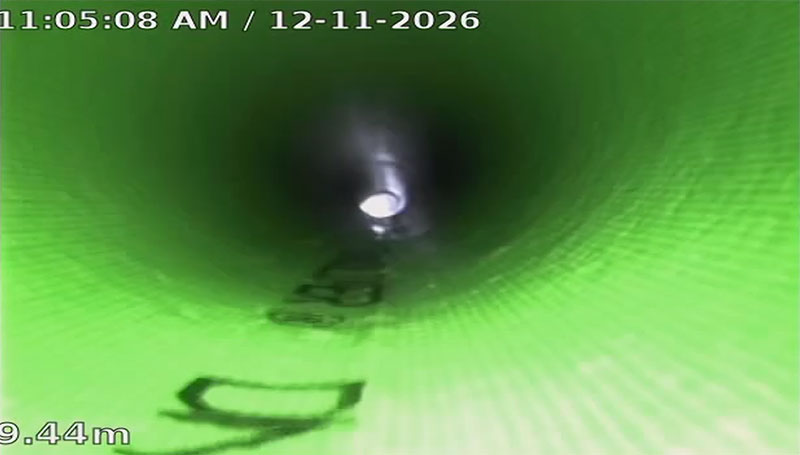
A still from the drain camera showing the perfect cured-in-place reline finish