

Drain relining has become a massive part of our business over the last few years, but for me personally the interest started long before that.
At 22 years old, after spending several years as a general plumber digging up and repairing broken sewers, I started taking a real interest in trenchless technology and relining.
At the time, I could already see how disruptive traditional excavation could be for customers. We were cutting concrete, digging trenches through gardens, removing landscaping and sometimes spending more time reinstating areas than actually repairing the drain itself.
I started researching relining heavily and eventually sought out a training company in Sydney to learn more about it properly. I flew up there, bought a basic patch repair kit and honestly that’s where the journey started.
Back then we were doing very small isolated repairs compared to what we handle now, but I became hooked on the idea of repairing drains internally without destroying people’s properties.
Fast forward almost 10 years and relining has now become one of the biggest growth areas of our company.
The Biggest Issue We See In Melbourne
Tree roots. Constantly.
Especially around Melbourne’s older northern and eastern suburbs where there are mature trees and ageing earthenware drains everywhere.
A lot of customers don’t realise they’ve often been treating the symptom for years instead of the actual issue underneath.
They’ll get the drain cleaned every winter, maybe every 6–12 months, and it keeps blocking again because the pipe itself is deteriorating underground.
Once roots get into old pipe joints, they rarely stop coming back.
Why Customers Are Choosing Relining
The biggest advantage is avoiding excavation in the right situation.
Nobody wants:
- their driveway destroyed,
- landscaping ripped apart,
- tiles removed,
- or trenches through the middle of the property if it can be avoided.
Relining allows us in many cases to structurally repair the pipe internally without major digging.
Not every drain can be relined and I think that’s important to say honestly.
Sometimes excavation is still the correct solution. But we are finding more and more situations now where relining is saving customers significant disruption and reinstatement costs.
It’s More Specialised Than People Think
From the outside, some people think relining is just “putting a liner in a pipe”. It’s not that simple...
The preparation side is massive:
- proper CCTV diagnostics,
- cleaning,
- removing roots properly,
- reinstating junctions,
- accurate liner installation,
- curing,
- and quality control all matter heavily.
A bad relining job can fail just like bad plumbing can fail.
That’s why we’ve continued investing heavily into better equipment and training rather than trying to cut corners.
Where I Think The Industry Is Heading
Personally, I think trenchless technology is only going to continue growing.
Customers are more educated now. They’re researching options before approving excavation and they want less disruption to their homes and properties where possible.
For us, relining has become a huge focus because it fits perfectly with the type of maintenance plumbing and drainage work we already specialise in.
Most of our relining work actually starts with what seems like a “simple blocked drain”.
Then once the CCTV inspection is done, the real condition of the drain becomes obvious.
Final Thoughts
My biggest advice is don’t ignore recurring drain issues.
If the same drain keeps blocking over and over again, there’s usually a reason.
Get the drain properly inspected and understand what’s actually happening underground before continuing to spend money on temporary fixes.
Jordan Chivers – Director, W.L. Chivers Plumbing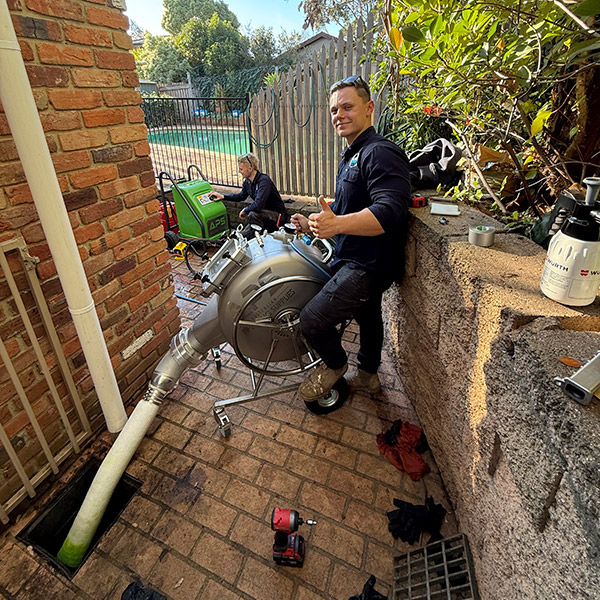
We’ve Gone All In On Drain Relining
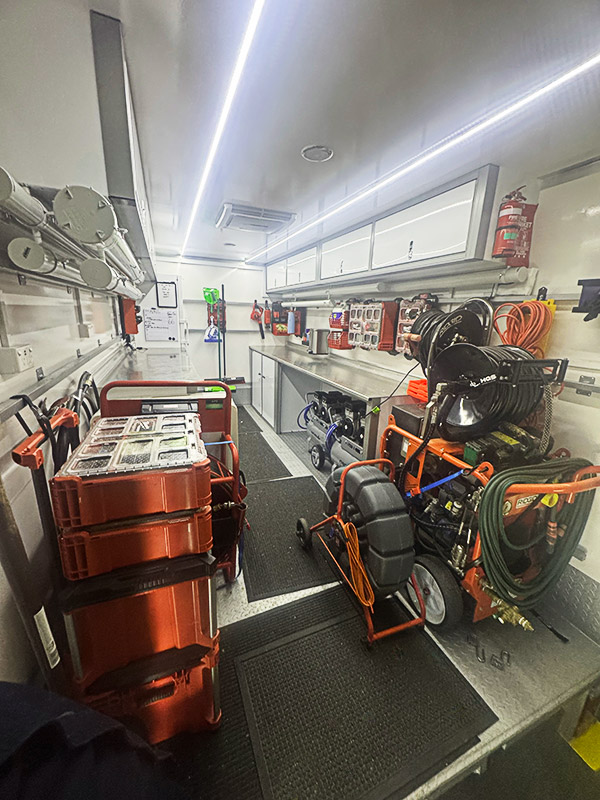
Inside our specialised drain relining vehicle
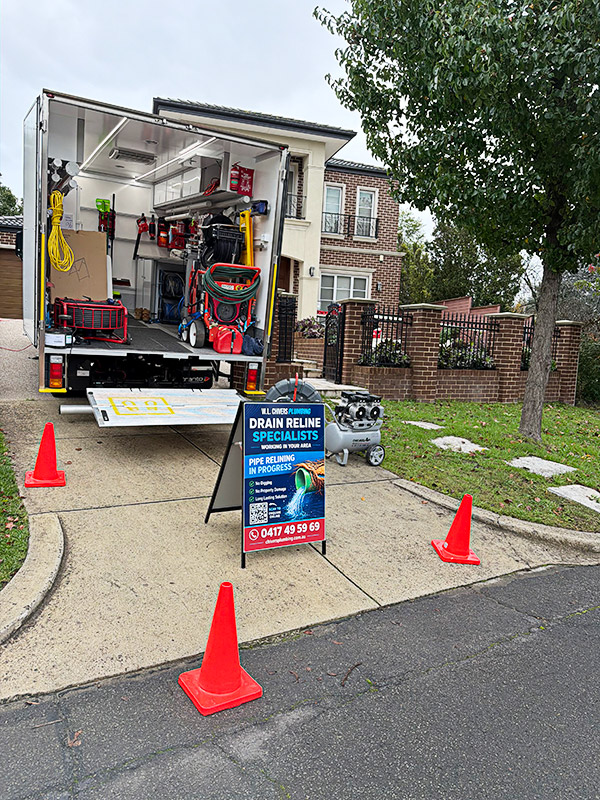
Our drain relining team on location
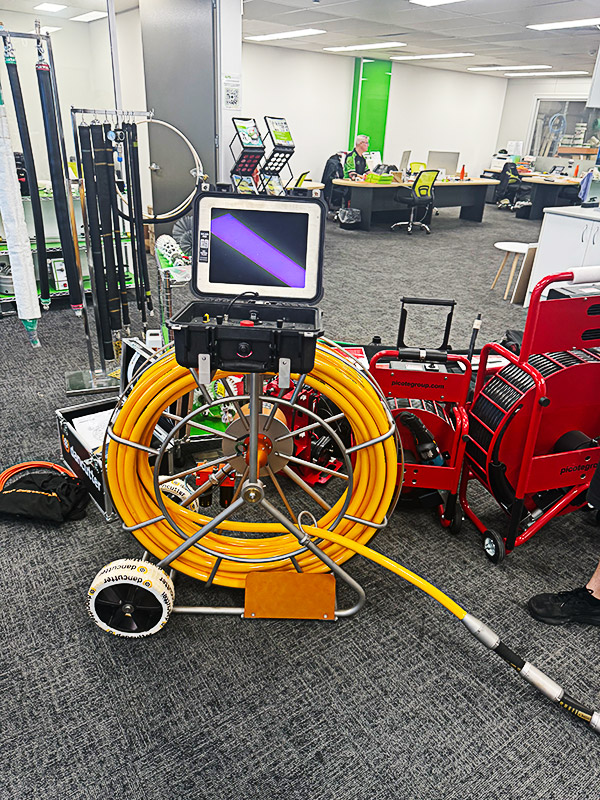
Some of out lastest drain relining technology equipment
Learn More